Tour-optional

Tour 1
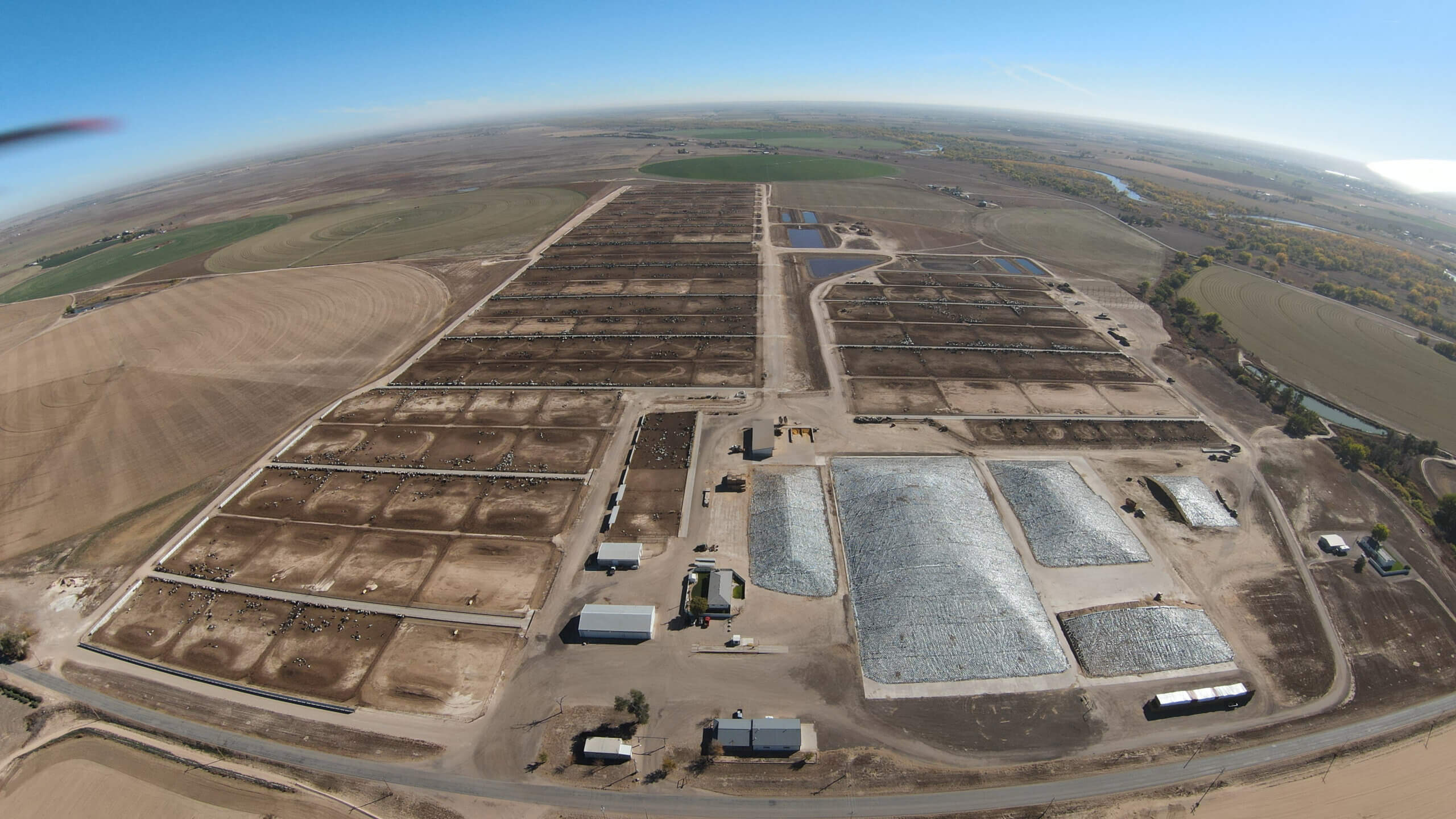
Five Rivers Cattle Feeding
Kuner Feedlot – Kersey, CO
THE JOURNEY BEGAN ON THE GREAT PLAINS OF COLORADO
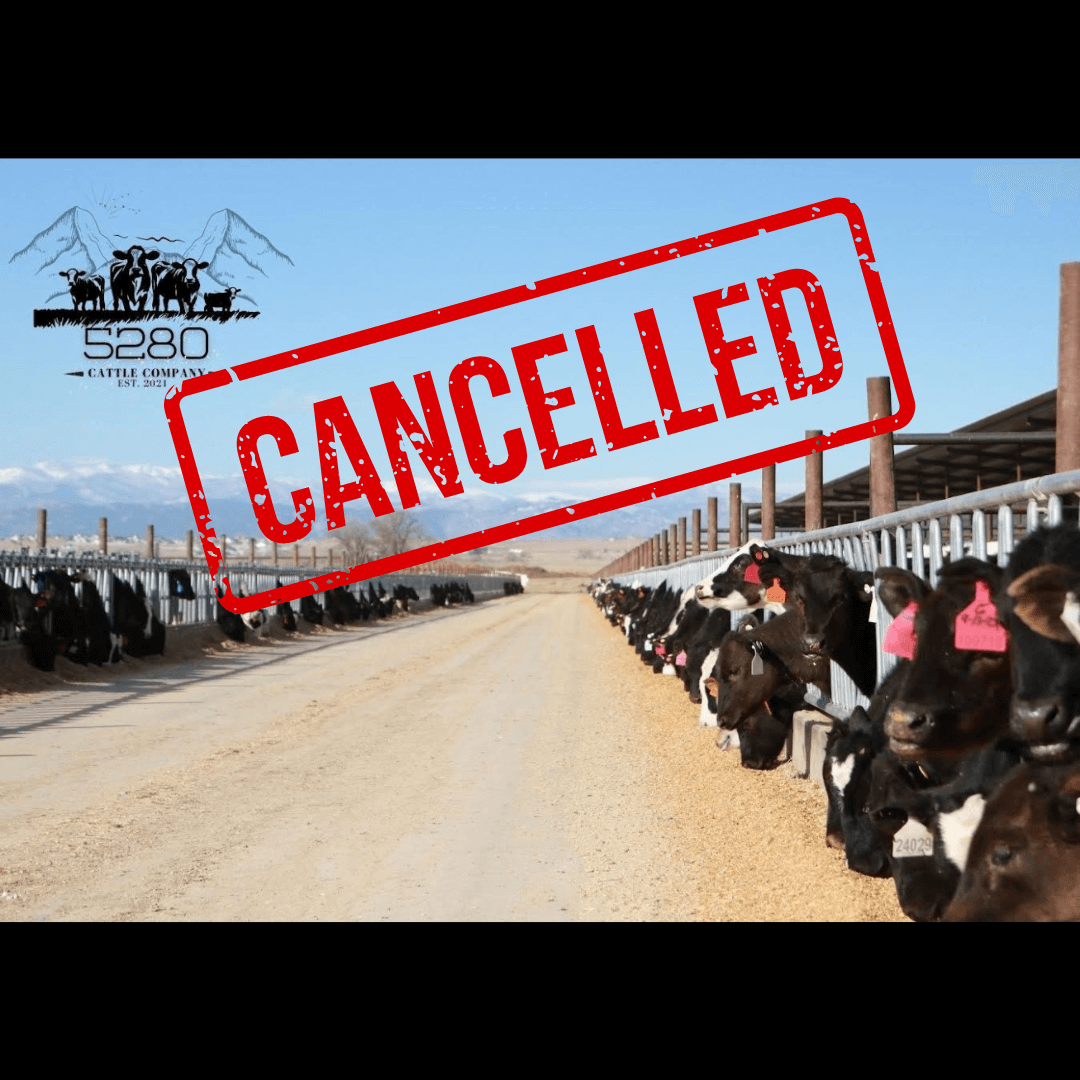
Tour 2 – CANCELLED
5280 Cattle Company
Ault, CO
5280 Cattle is a family owned calf ranch located in Ault Colorado. Starting operations in December of 2021, our owners wanted a place where they could delegate specific management to creating the best possible calf, and a place to group all of their cattle for beef sales. Currently 5280 Cattle has just over 3,000 calves of milk and an additional 3,500-4,000 in wean pens and open lots. We value many things we have in place when it comes to operations here but a main focus is our consistency in our milk. Feeding components can be tricky but we are excited to share how we do it successfully.
Tour 3
Feldpausch Holsteins
Fort Morgan, CO
We are a custom heifer raiser. started operations in 2010 with a 3000hd capacity and 2 customers. Today we are 14,000hd with 9 customers in 4 states. Wisconsin, Illinois, Michigan and New York. We take calves at 5 months old and take them all the way to springers. On top of the heifer raising we also have a 1700 acre irrigated cropping operation.
Spanish Pre-Conference Sessions
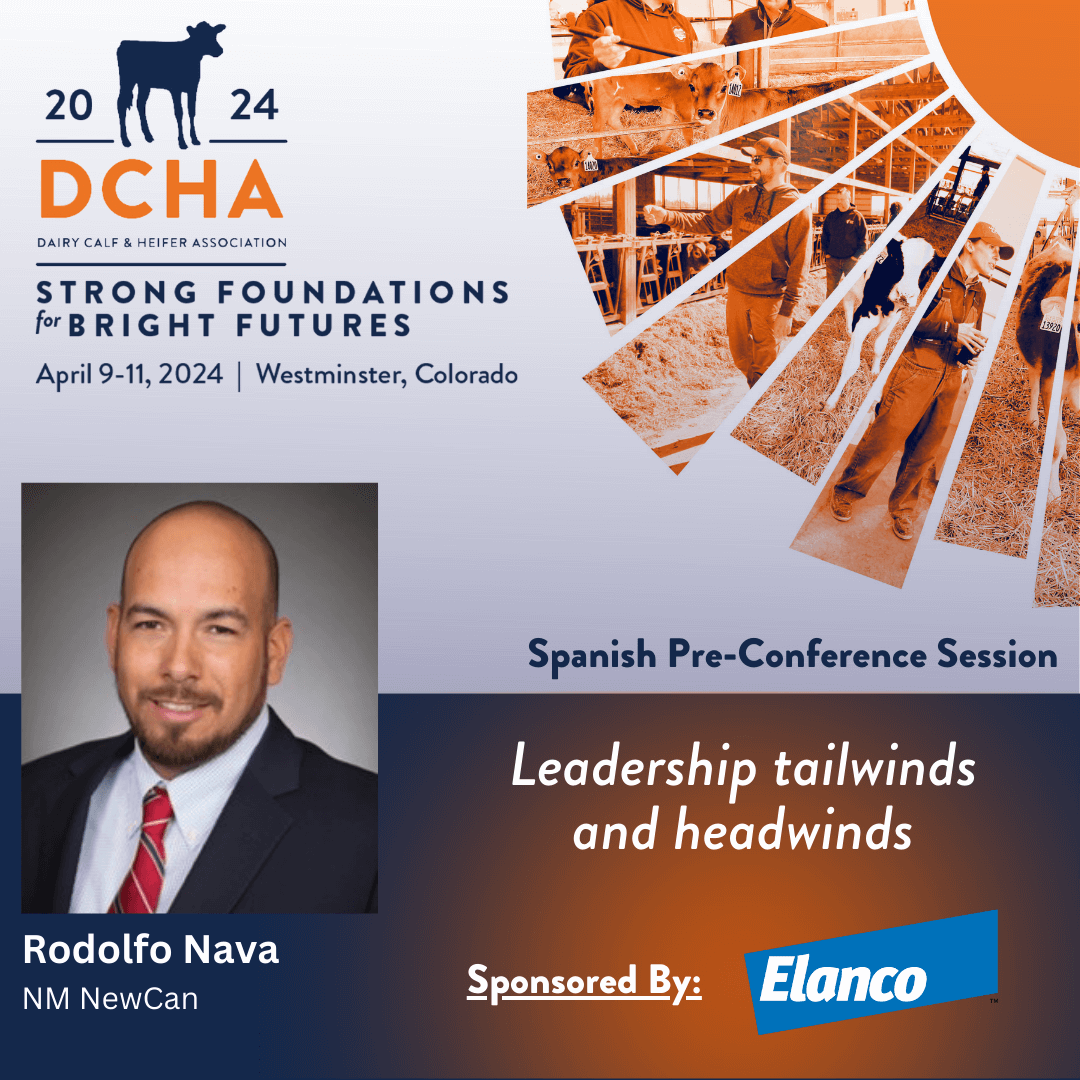
Leadership tailwinds and headwinds
Rodolfo Nava, NM NewCan
Rodolfo Nava will share his story as the NewCan Cattle general manager – addressing how to impact the outcome of an operation through the development of people, how to select the right people for your team and assign them to their best role, and how to take advantage of bad results/situations and use those as “teachable moments” and learning opportunities.
Sponsored by Elanco
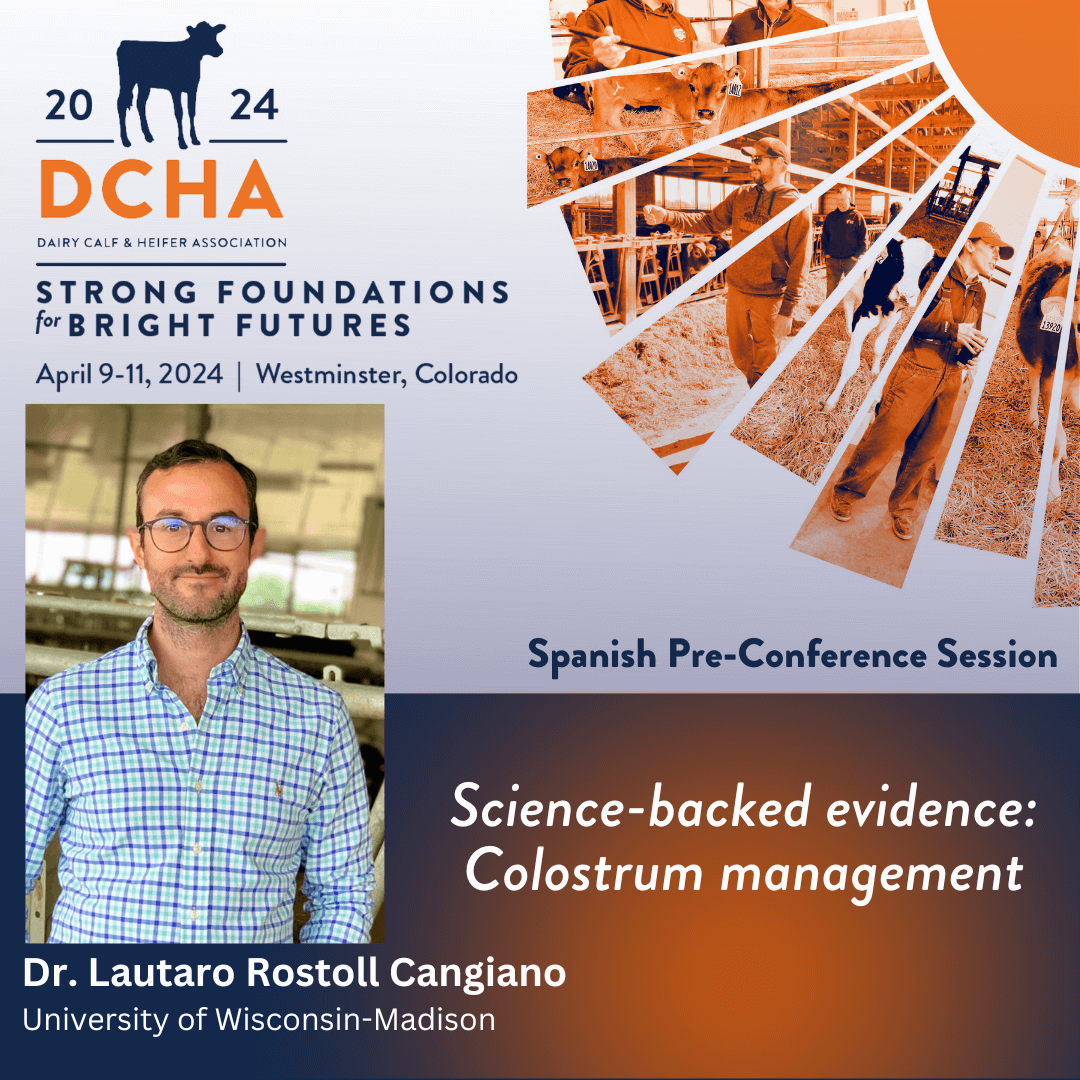
Science-backed evidence: Colostrum management
Dr. Lautaro Rostoll Cangiano, UW Madison
The presenter will address the emerging concept in colostrum management to reduce incidence of disease during the preweaning period. Also, he will discuss transition milk, extended colostrum feeding and alternatives to prophylactic antibiotics to prevent disease.
Pre-Conference Sessions
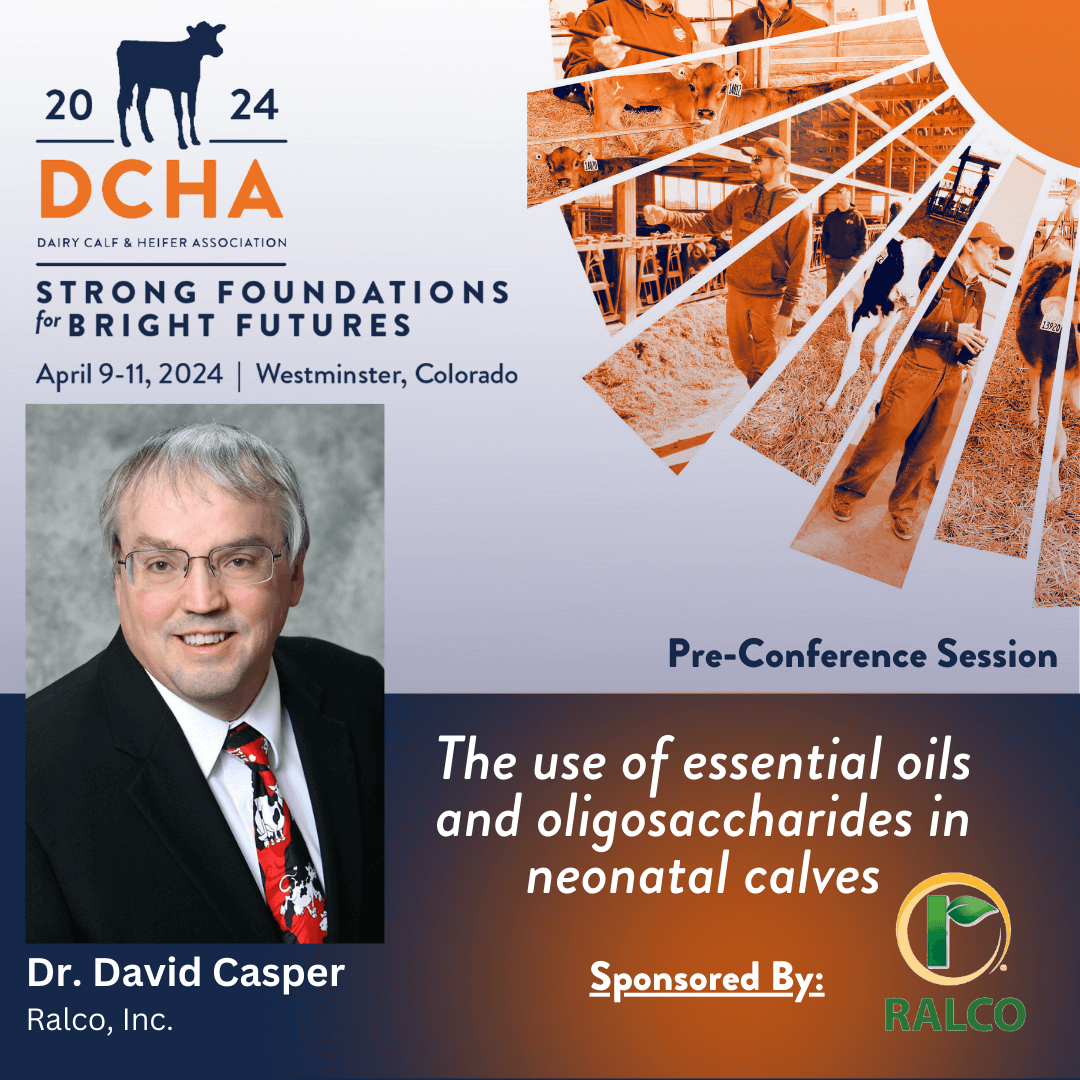
The use of essential oils and oligosaccharides in neonatal calves
Dr. David Casper, Ralco, Inc. Senior Dairy Nutritionist
Restricting antibiotic use for neonatal calves has driven the development of natural alternatives to the feeding of antibiotics to maintain/enhance calf growth, scours and disease prevention, and enhance ruminal development for the transition to dry feed. Essential oils/oligosaccharides have a long and rich history dating back thousands of years. They’re used in a variety of ways, including cosmetics, perfumes, medicinal preparations and therapies. Essential oils have been demonstrated to be antimicrobial, antiviral, antifungal and antioxidants, while also being anti-inflammatory. The use of oligosaccharides has been shown to enhance pathogen binding and stimulating the immune system.
In recent years, essential oils/oligosaccharides are being increasingly used in dairy cattle nutrition for calves, heifers and transition and lactating dairy cows. This presentation will focus on research evaluating the use of essential oils/oligosaccharide for neonatal and growing calves and heifers as alternatives for maintaining/enhancing growth performance, intestinal health and feed efficiency. This presentation will address their use in both liquid and dry feeding programs – highlighting their strengths and weaknesses, and where new studies are needed to further their use to be a replacement for antibiotics.
Sponsored by: Ralco
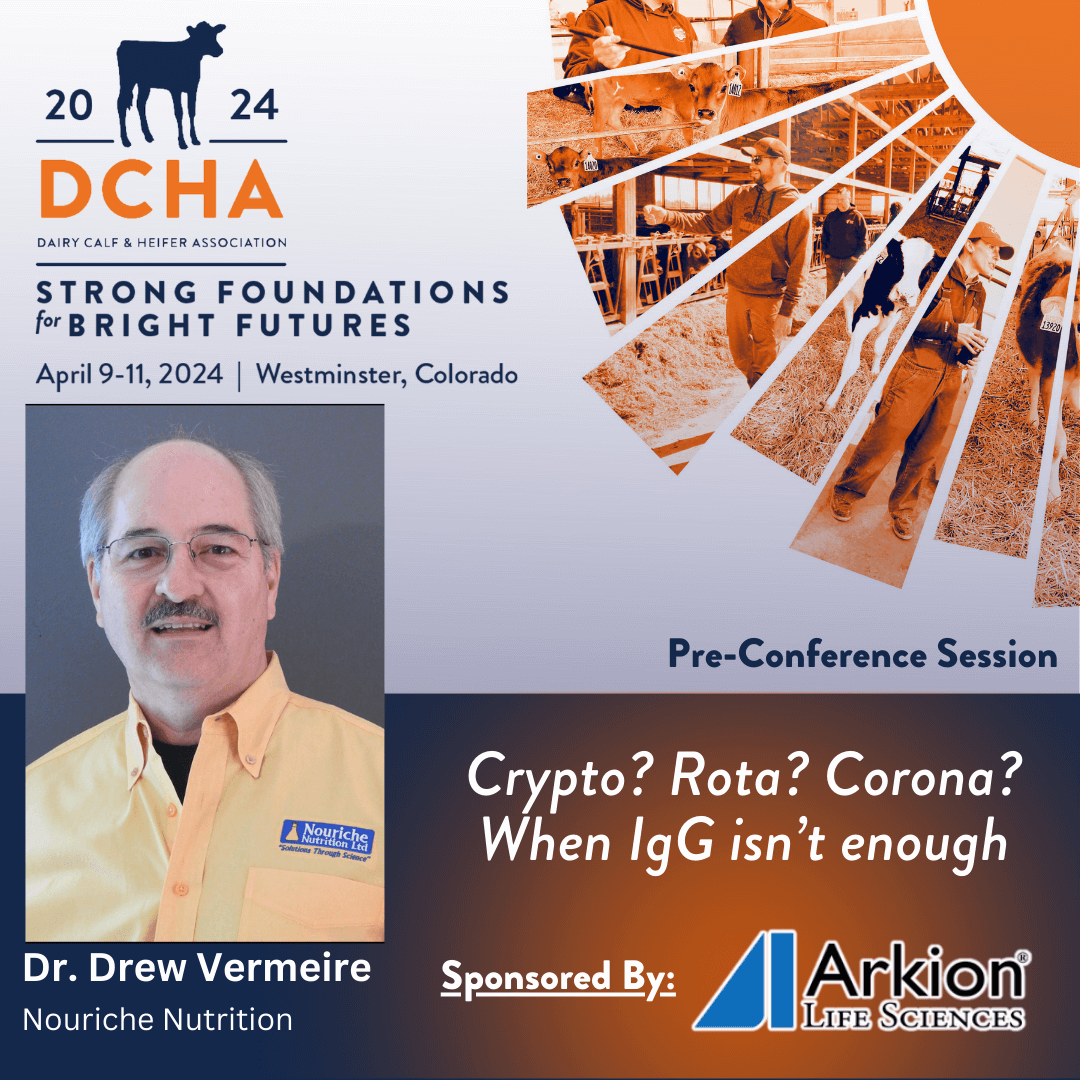
Crypto? Rota? Corona? When IgG isn’t enough
Dr. Drew Vermeire, Nouriche Nutrition Nutritionist
Drew Vermeire will discuss the antibody profile comparisons of different bovine milk replacers, demonstrating that not all milk replacers are the same and vary in both antigen specificity and total immunoglobulin G (IgG) levels. This goes against the common belief that the IgG in milk replacers provides approximately the same level of adequate immune support. The results further demonstrate the addition of 2 grams or more of a broad-spectrum IgY significantly improves antibody titers. EggTek-C, manufactured by Arkion Life Sciences, includes nine different antigens, including cryptosporidium, rotavirus, coronavirus, E. coli and salmonella for additional immune support and optimal calf health.
The presentation will also outline recent studies and trials showing the benefits of IgY addition, such as bull calf and heifer calf studies, comparison to bovine plasma, E. coli binding study, bovine viral pathogens neutralization study, and a comparison between different IgY products. Results from these studies suggest potential benefits of IgY, including reduced mortality in bull calves and improved resistance to diseases like scours in heifer calves.
Moreover, Vermeire will review his own Bull Calf Study in Pennsylvania, aiming to determine the impact of EggTek-C on calf performance, with a focus on mortality rates and various health markers.
Sponsored by: Arkion Life Sciences
General Sessions
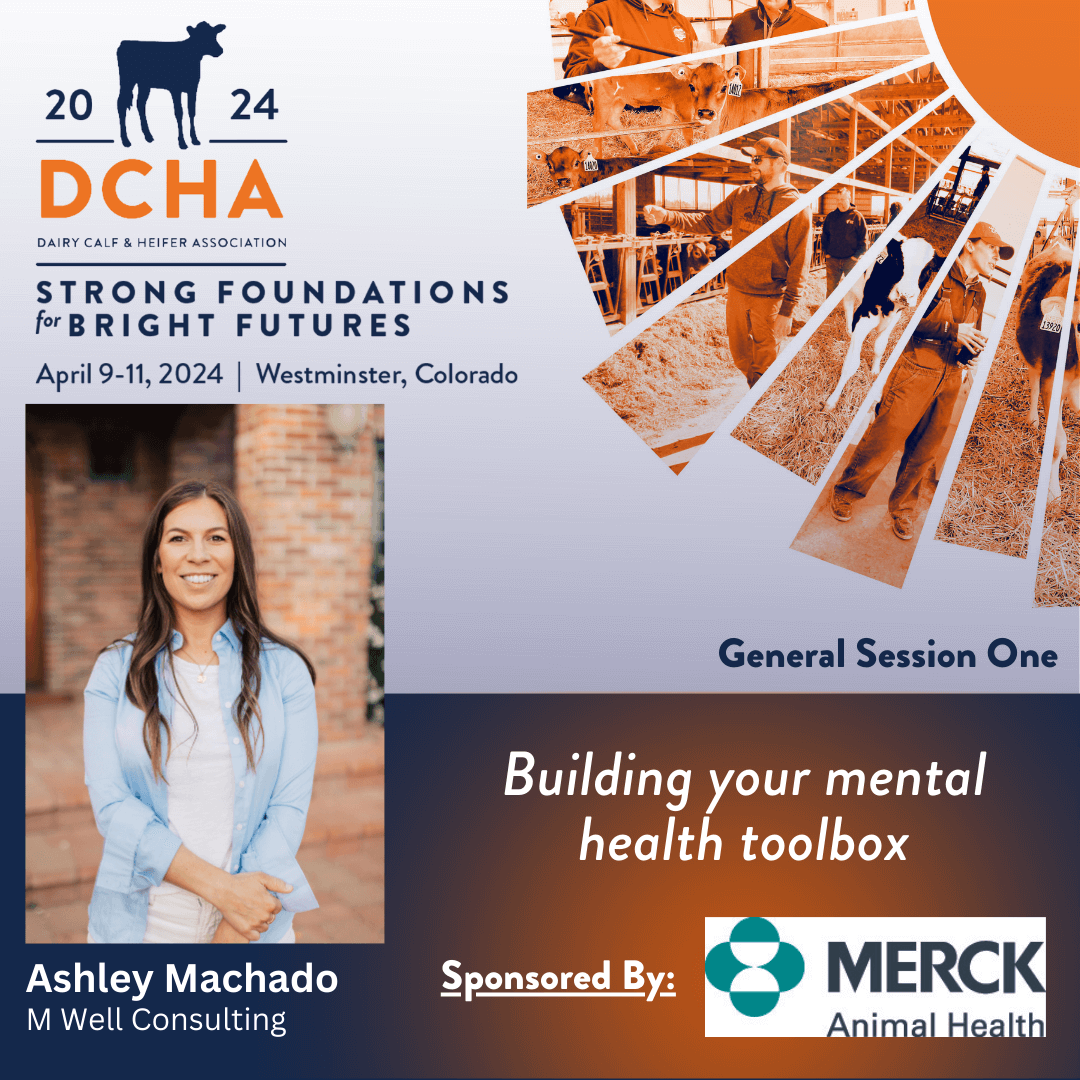
Building your mental health toolbox
Ashley Machado, M Well Consulting
Ashley Machado, who grew up in the dairy industry and whose husband is a California calf rancher and almond farmer, will guide attendees through a series of practical mental health tools in a relatable way, providing tangible strategies tailored to the unique challenges faced by those in the agricultural industry. You’ll discover actionable tips to cultivate resilience, manage stress, stop burnout before it starts and prioritize mental well-being. Attendees will leave equipped with tools they can immediately implement, fostering a healthier mindset for themselves and their communities.
Sponsored by Merck
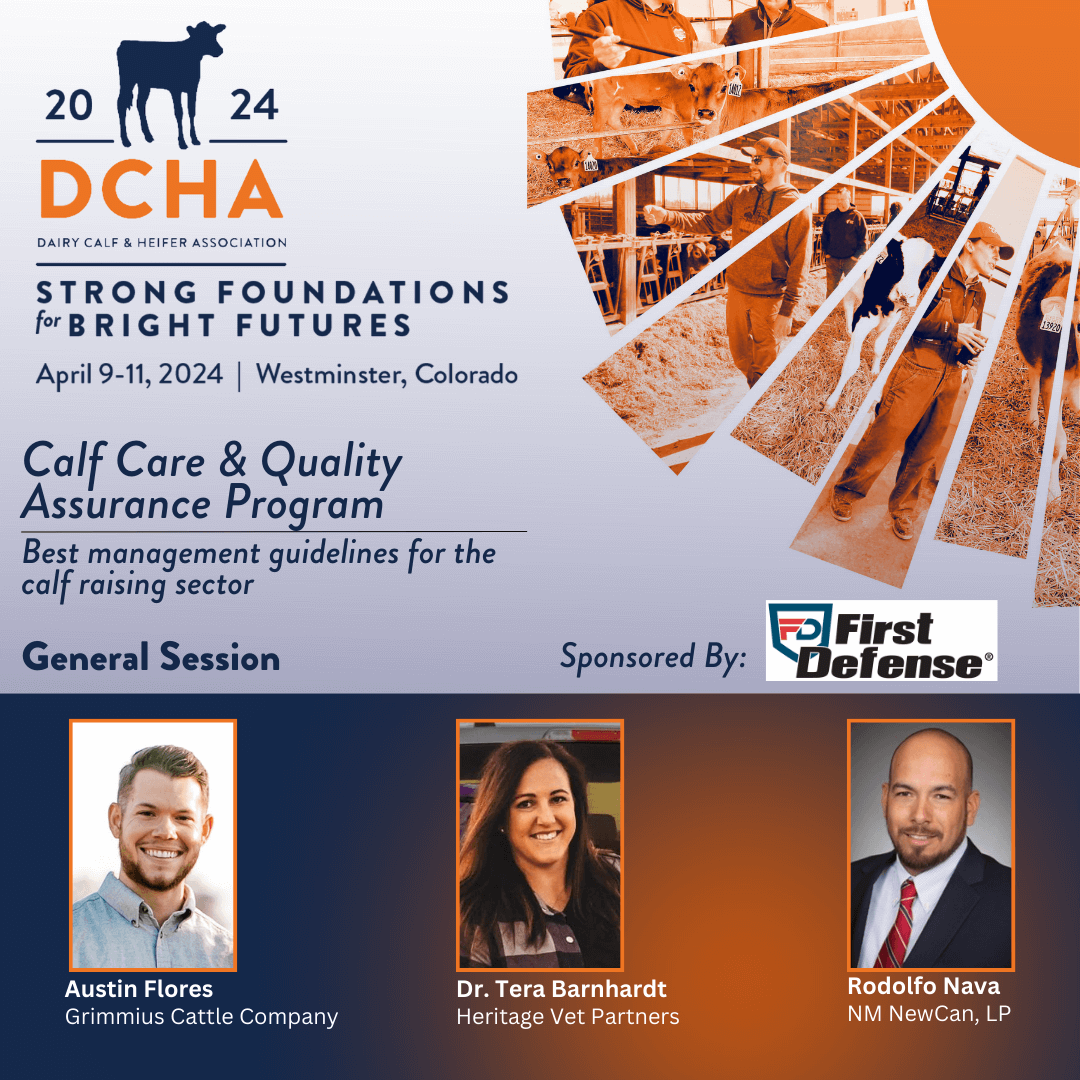
Calf Care & Quality Assurance program-Best management guidelines for the calf raising sector
Panelists:
Dr. Tera Barnhardt, Barnhardt Veterinary Services, Kansas
Austin Flores, Grimmius Cattle Company, Inc., California
Rodolfo Nava, NM NewCan, LP, New Mexico
Healthy calves are the cornerstone of every beef, dairy and veal operation, and calf raisers are a critical piece to this system. As no single organization or program covers all calves to ensure optimal health and welfare throughout the supply chain, the Calf Care and Quality Assurance program (CCQA, funded by the Beef Checkoff) was created through the collaboration of four industry groups – National Dairy Farmers Assuring Responsible Management (FARM), Beef Quality Assurance (BQA), Veal Quality Assurance (VQA) and Dairy Calf & Heifer Association (DCHA). Included are science-based guidelines for calf raisers – covering employee training, continuing education, emergency preparedness, calf health, animal handling and stockmanship, management and care.
Sponsored by: Immucell/First Defense
Exploring the Economics of Raising Replacement Heifers
Dr. Kevin Dhuyvetter, Elanco
This session will discuss the economics of raising replacement heifers from several different perspectives. Topics covered will be estimating how many heifers are needed annually on a dairy and how semen choices relate to these needs, costs of raising heifers, and considering how to identify heifers for culling if excess heifers are available. Finally, a discussion of what the different cost metrics ($/head, $/day, $/lb of gain) of raising heifers might tell us.
Sponsored by Elanco
Breakout Sessions – Wet calf/Weaning Track
Best practices for disease prevention
Dr. Geof Smith, Zoetis
The importance of heifer raising to the overall dairy has increased in importance over the past 20 years. Producers need to focus on managing inventory. However, replacement heifers should be viewed as an investment more than as an expense. This talk will focus on the keys to successfully raising dairy heifers, including day 1 calf care, nutrition and weaning.
Sponsored by Zoetis
Transition milk: What is it and should all calves be fed some form of ‘transition’ milk?
Dr. Michael Ballou, Texas Tech University Professor and Chair of Veterinary Sciences
Michael Ballou will discuss strategies and challenges to improve early-life health with a primary focus on gastro-intestinal health. The benefits and challenges of feeding transition milk will be discussed. Lastly, Ballou will discuss if we can “formulate” a transition milk (replacer) program for early-life nutrition programs.
Sponsored by Milk Specialties Global
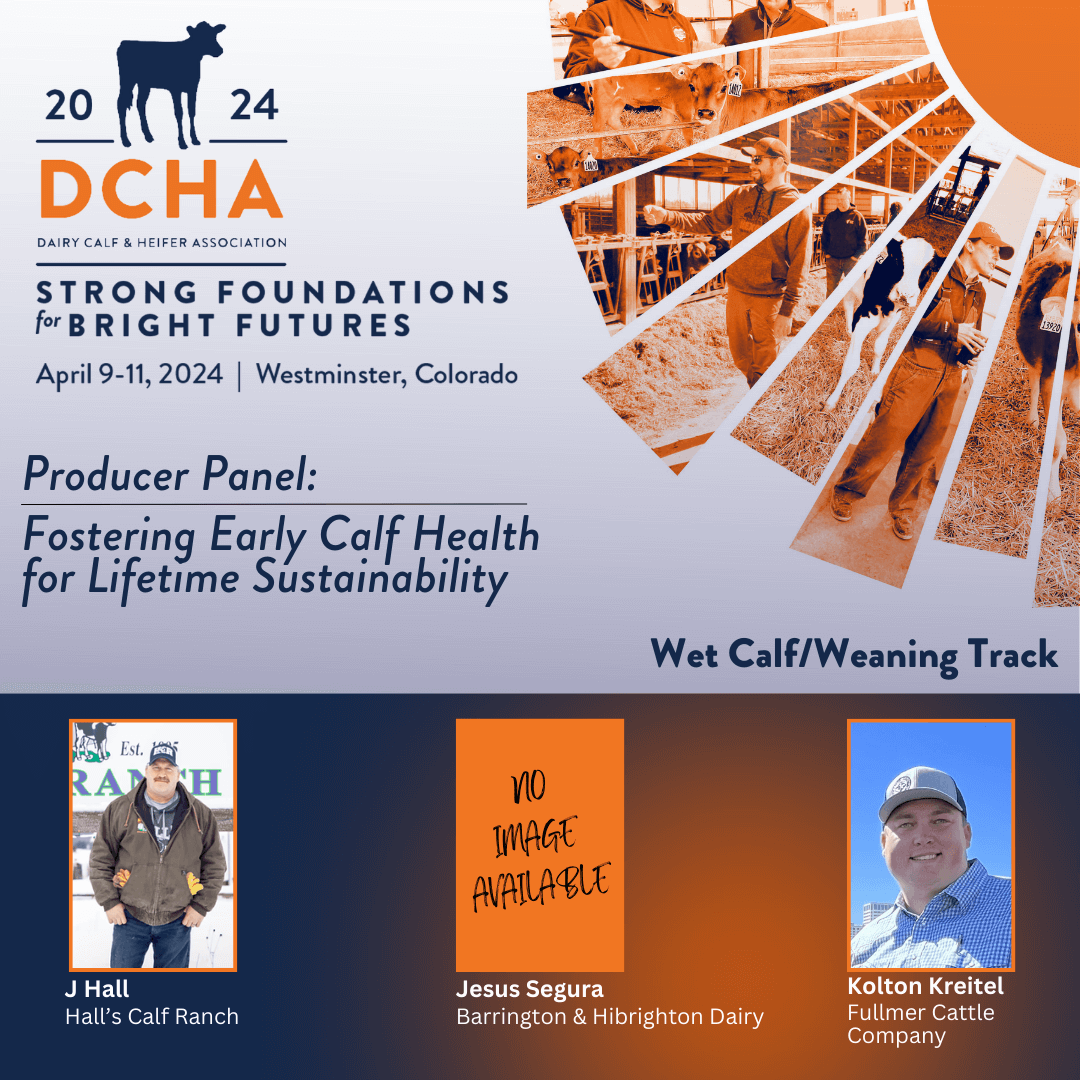
Producer panel:
J Hall, Hall’s Calf Ranch, WI
Jesus Segura, Barrington & Hibrighton Dairy, GA
Kolton Kreitel, Fullmer Cattle Company, KS
Breakout Sessions – Post-weaning Track
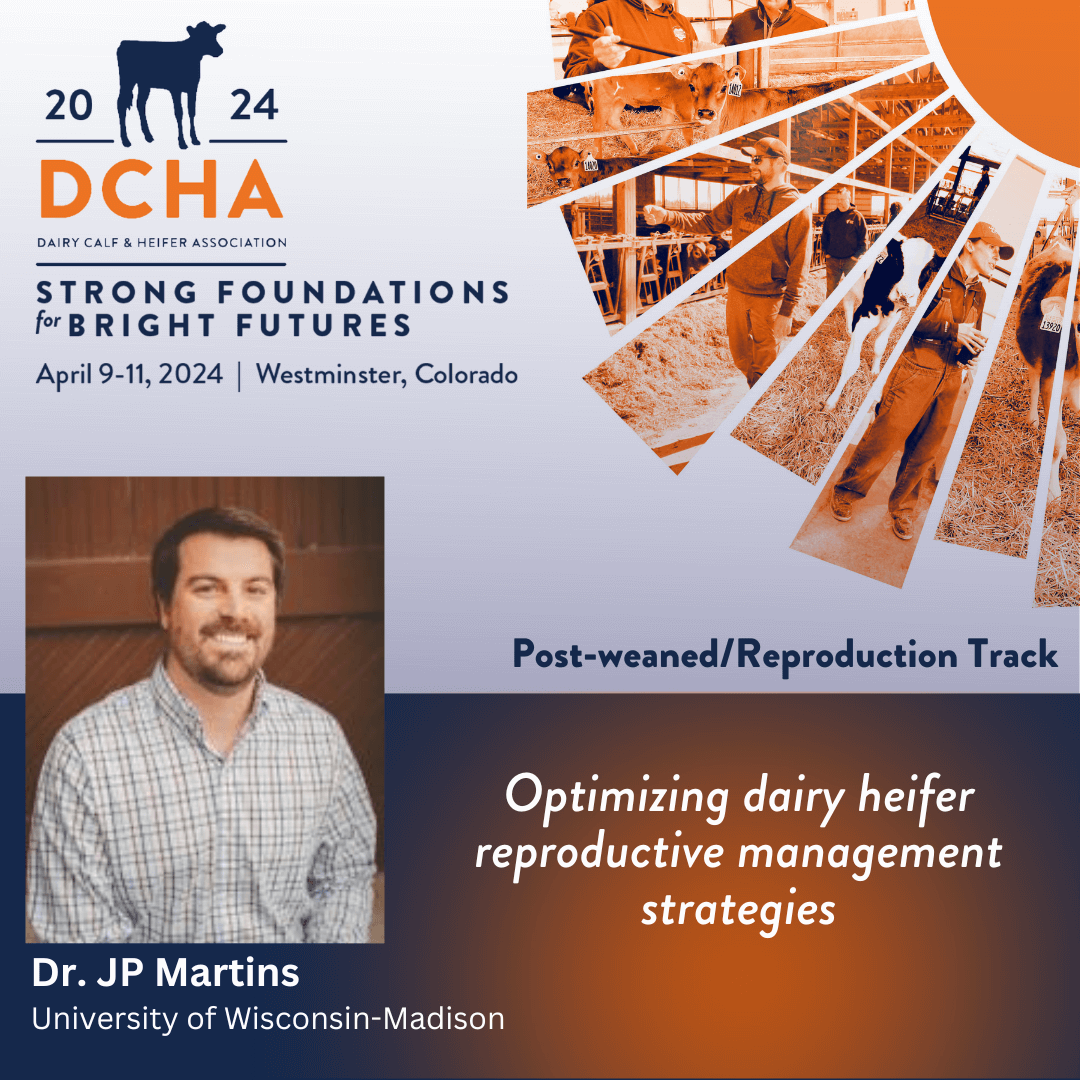
Optimizing dairy heifer reproductive management strategies
Dr. JP Martins, University of Wisconsin-Madison
The cost of raising heifers has never been higher because of high feed costs. Optimizing heifer growth and reproductive performance without compromising future health and performance are essential to reduce heifer rearing costs. This presentation will address the association between breeding eligibility, reproductive performance on subsequent body weight and milk production of primiparous cows. The presenter will also explore different reproductive breeding programs to maximize reproductive performance of dairy heifers.
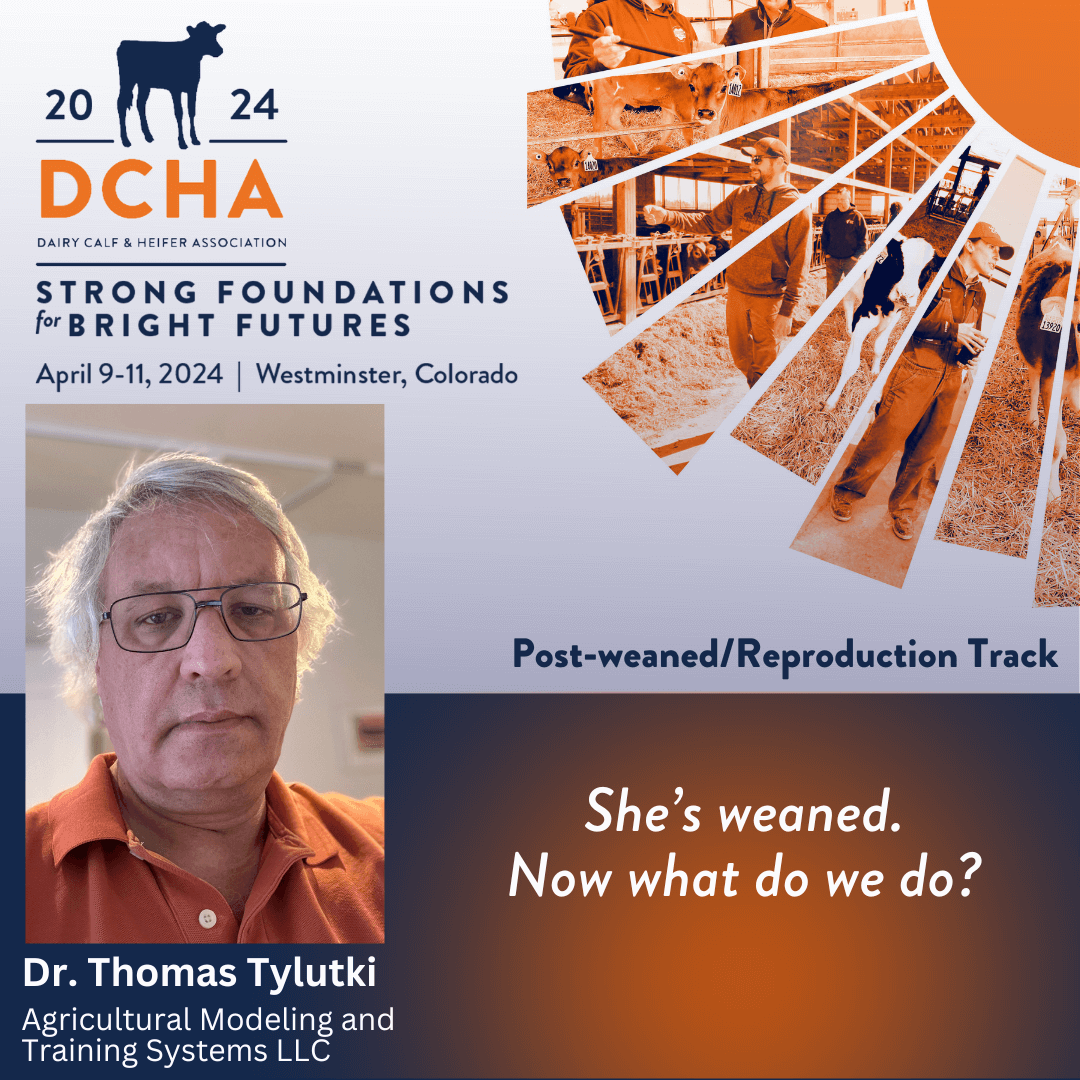
She’s weaned. Now what do we do?
Dr. Tom Tlyutki, Ag Modeling and Training Systems
Growth in the first six months of life is the critical period. Maximizing growth during this period is both efficient and cost effective, with the impact being multi-generational. Achieving profitable growth during this phase will be the highlight.

Post-weaned/Reproduction Track
Producer Panel:
Best Management Practices to Foster Healthy, Efficient Post-weaned Heifers
Doug Scholten, Brightwater Cattle Co., CO
Vance Kells, Circle Bar Heifer Ranch, LLC, KS
Jamie Franken, City View Farm, IA
Breakout Sessions – Beef x Dairy Track

Calf vet perspective on liver abscesses
Dr. Taylor Engle, 4 Star Veterinary Service, LLC
Liver abscesses are extremely prevalent in dairy-beef crosses and result in significant economic losses due to liver condemnation, decreased growth and production, and lower carcass quality. Commonly, liver abscesses are attributed to the transition to diets high in rapidly fermentable starch, which results in rumen epithelial inflammation that allows pathogenic bacteria to gain entry to the liver through transport via the hepatic portal vein. Learn about strategies to alter diets and genetics to prevent liver abscess in dairy-beef crosses.
Sponsored by: MB Nutrition
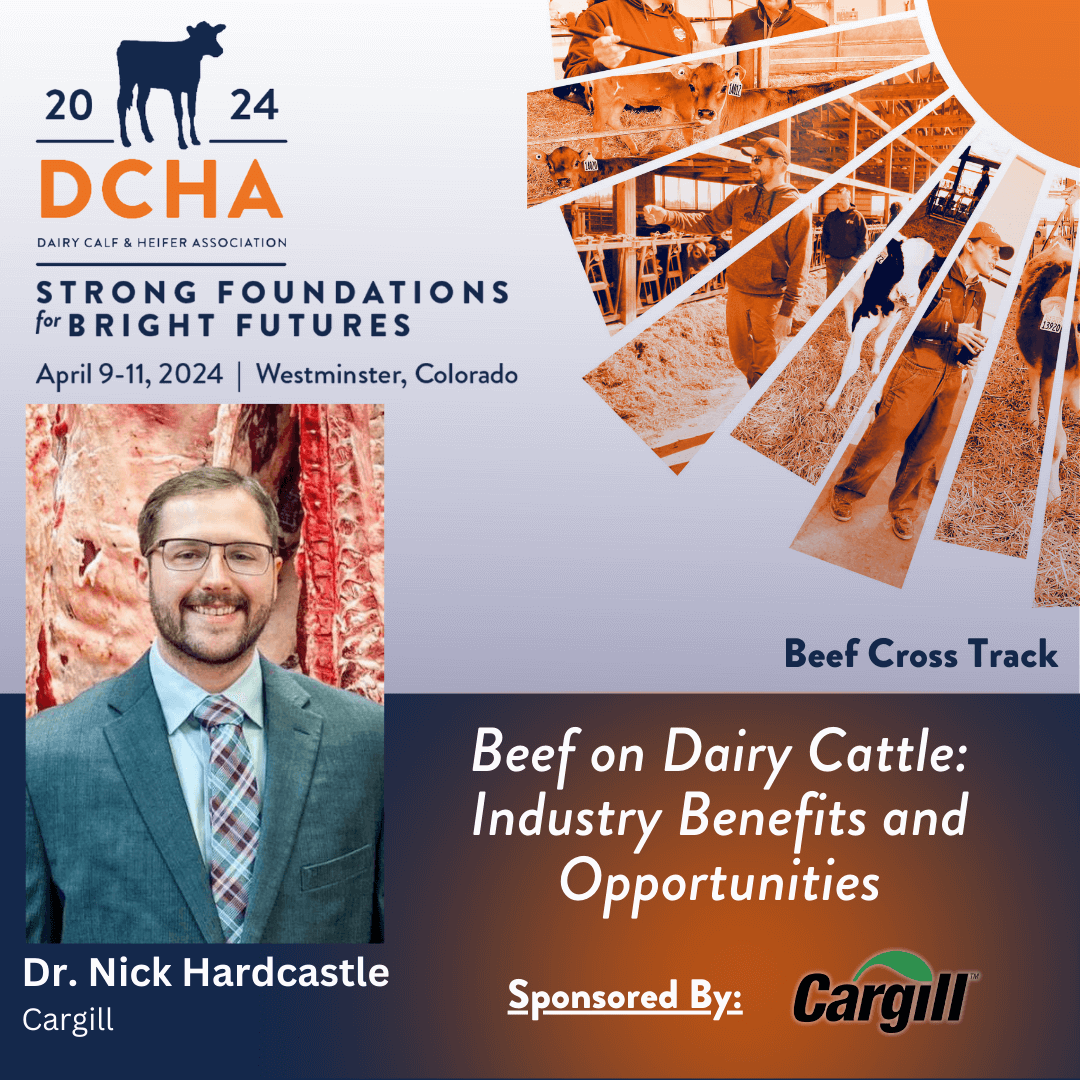
Beef on dairy cattle: Industry benefits and opportunities
Dr. Nick Hardcastle, Cargill
This presentation will cover a deeper understanding of beef and dairy crossbred cattle from a meat processor’s perspective. The transition from purebred, calf-fed dairy cattle coming to harvest to this model has resulted in several benefits, especially from a meat quality perspective. Though these benefits exist, this crossbred population possesses opportunities for improvement to maximize the value of cattle entering the beef supply chain.
Sponsored by: Cargill
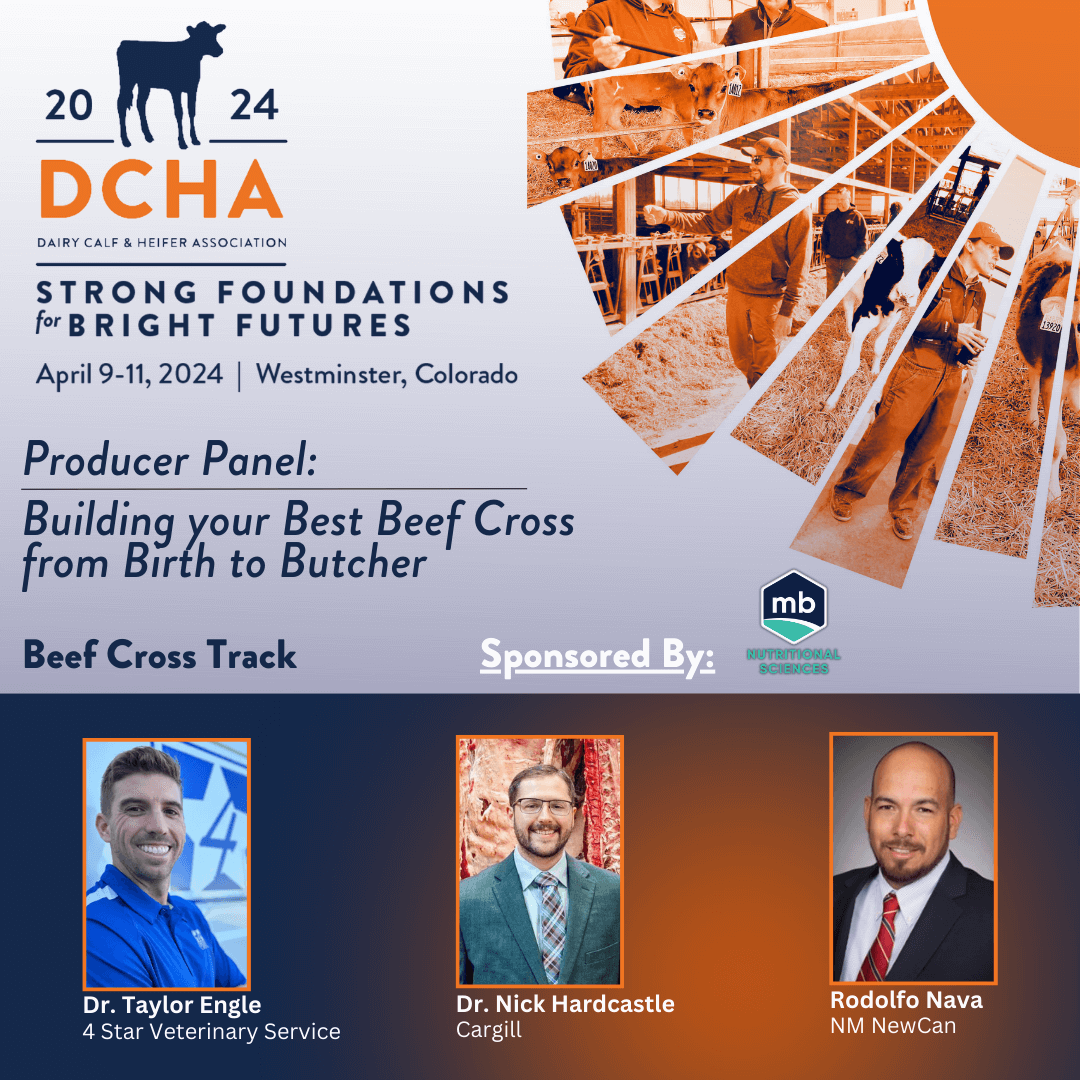
Building your best beef cross from birth to butcher
Dr. Taylor Engle, 4 Star Veterinary Service, LLC
Dr. Nick Hardcastle, Cargill
Rodolfo Nava, NM NewCan
Dairy producers have many options when purchasing beef genetics to be used on dairies. Different factors drive calf value on the dairy and at the calf ranch, feedlot and packing plant. While many traits matter to the entire beef production system, breeding objectives can be simplified by assessing marketing endpoints. During this presentation, learn how to select traits that drive value in beef calves that originate from dairies, differentiate value for dairy producers and value for calf raisers, recognize closeout data that create value for feedlots, and identify carcass characteristics of importance for beef packers.
Sponsored by: MB Nutrition