
Short Courses
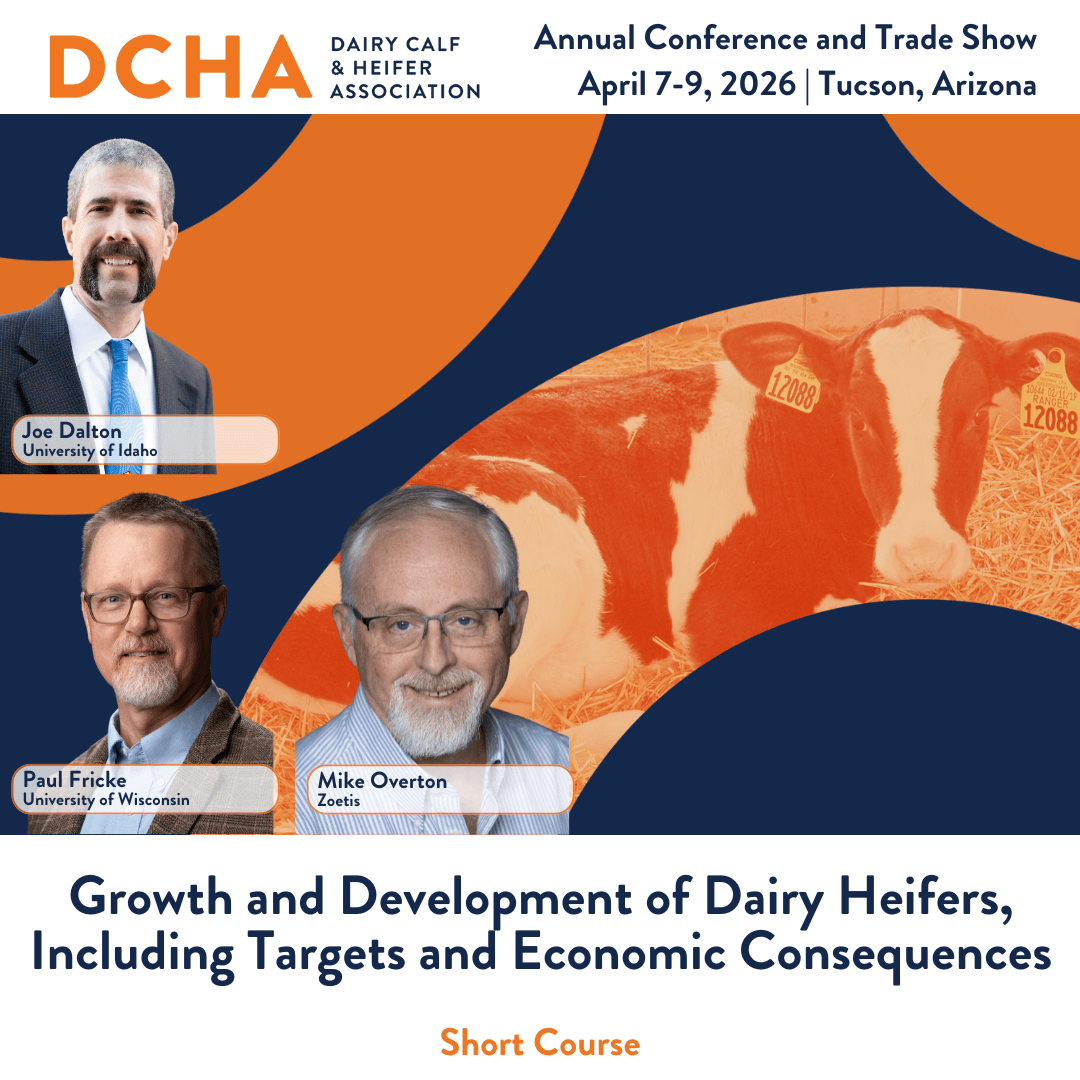
Growth and Development of Dairy Heifers, Including Targets and Economic Consequences
Mike Overton, Zoetis; Joe Dalton, Univ of Idaho; Paul Fricke, Univ of Wisconsin
This presentation will describe appropriate growth and development targets for dairy replacement heifers and examine the economic consequences associated with inappropriate growth and development, inadequate size at calving and failing to calve at the optimal age. The importance of genetic potential will also be examined along with some insights on producing an adequate supply.
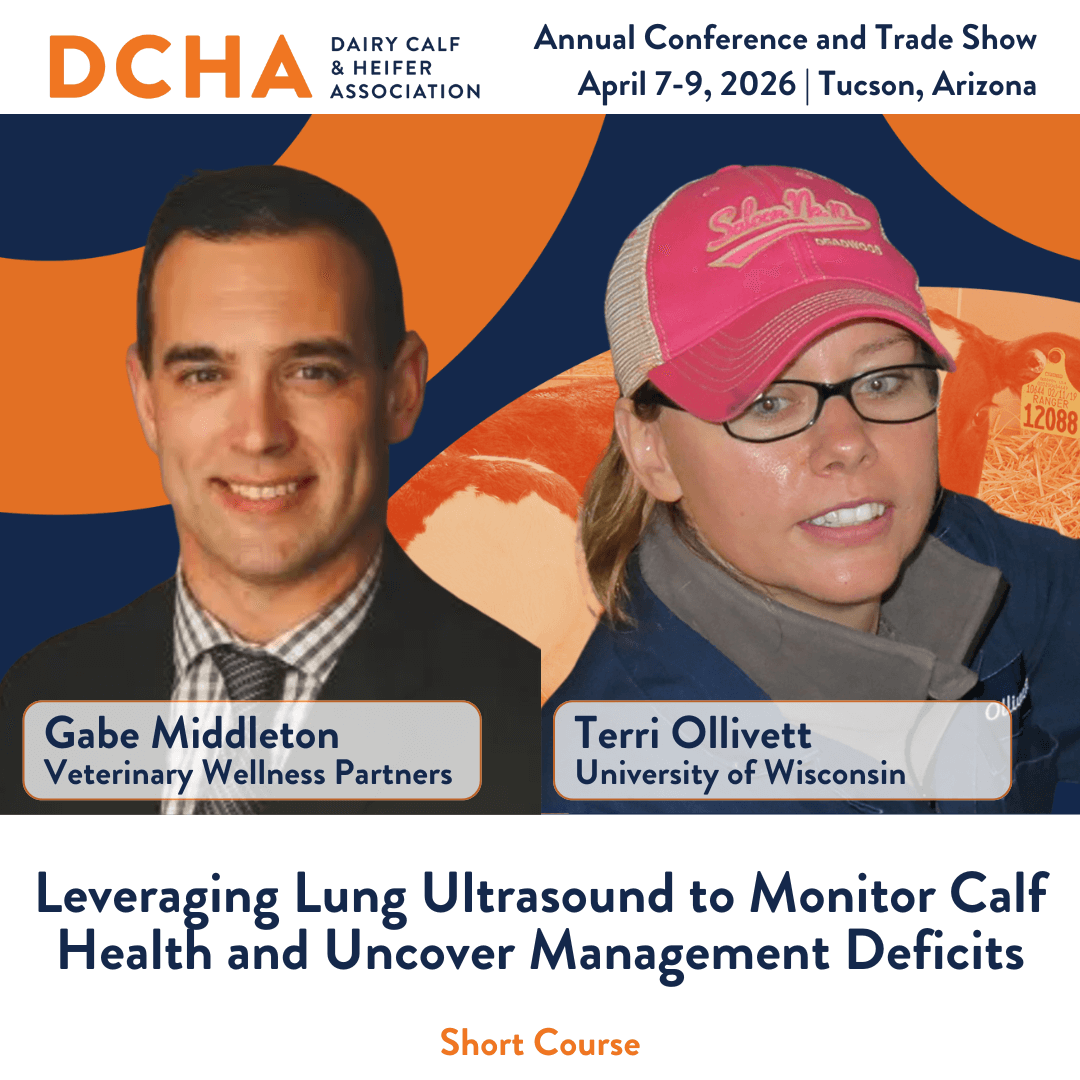
Leveraging Lung Ultrasound to Monitor Calf Health and Uncover Management Deficits
Gabe Middleton, Veterinary Wellness Partners; Terri Ollivett, Univ of Wisconsin
This short course will discuss methods to implement lung ultrasound into a calf health plan. We will also discuss methods to promote positive change in calf management practices by using lung ultrasound as a tool to monitor the impact of management changes.
Tours
University of Arizona Agricultural Research Center (ARC) and Food Product and Safety Lab
The Food Product and Safety Lab (FPSL) at the University of Arizona is a USDA-Inspected meat processing facility, harvesting beef, hogs, sheep, and goats weekly to serve the university’s land-grant mission. The 21,000 sq.ft. FPSL reopened in 2025 after a $10.9 M renovation project. We are excited to show you our newly-renovated facility!
We plan to have a three-carcass comparison on display: a straight dairy carcass, a straight beef carcass, and a beef-on-dairy carcass. One side of each carcass will be for a grading demonstration, while the other side will be fabricated into boxed beef cuts for a complete carcass yield and value demonstration.
The Animal Research Center (ARC) is a world class research facility designed to support applied and basic research on the impact of environmental stress. It holds four environmental controlled chamber that can house cattle and small ruminants under a wide range of heat/humidity conditions. One of the main areas of ongoing research at the center is the effect of environmental stress during gestation and the impacts on both the Dam and the offspring.
Sponsored by:

Shamrock Dairy
The tour will begin at the tour barn, talk through their farming and commercial standpoint of the 25,000 dairy. You will see the feed area, parlor and the milk bottling process. Their new calf barn that houses calves until 2 days old then transported to California will be viewed and discuss why they go to California and the transportation process. Then you will see the 10,000 weaned heifers and finish up with ice cream!
Spanish Pre-Conference Sessions
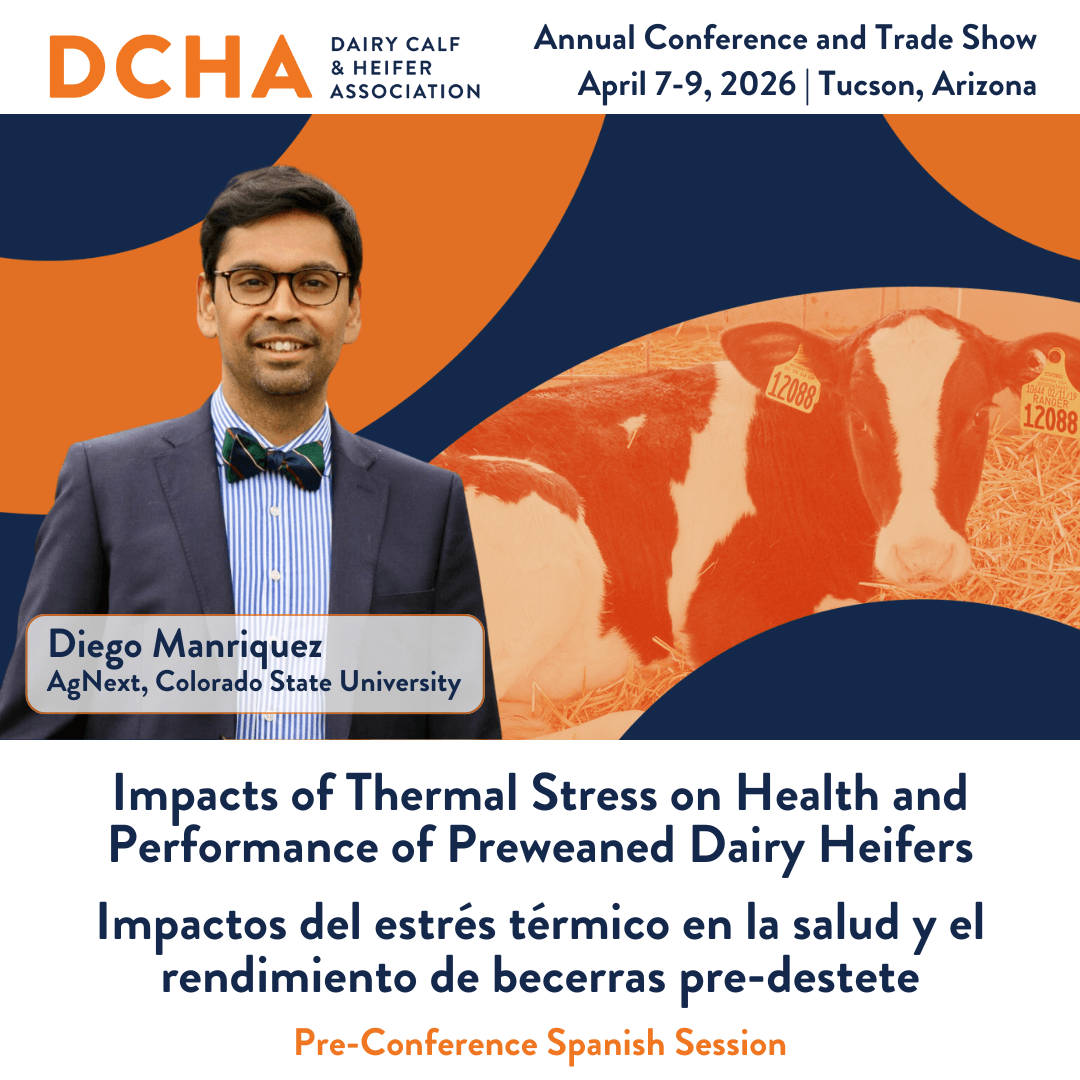
Impacts of Thermal Stress on Health and Performance of Preweaned Dairy Heifers
Impactos del estrés térmico en la salud y el rendimiento de becerras pre-destete
Diego Manriquez AgNext, Colorado State University
How does thermal stress affect dairy heifer replacements? In this session, we’ll uncover what thermal stress really means for preweaned dairy heifers and why it matters for productivity, profitability, and animal welfare. We will show practical ways to assess thermal stress using environmental and animal-level indicators and explore how seasonal data can reveal hidden patterns impacting calf health. Additionally, we will discuss the short- and long-term consequences of thermal stress and share management strategies to protect calves and workers from heat stress. Finally, we share what research is doing to advance thermal stress resilience and management.
¿Cómo afecta el estrés térmico a las becerras de reemplazo en lecherías? En esta sesión, descubriremos qué significa realmente el estrés térmico para las becerras antes del destete y por qué es importante para la productividad, la rentabilidad y el bienestar animal. Mostraremos formas prácticas de evaluar el estrés térmico utilizando indicadores ambientales y a nivel del animal, y exploraremos cómo los datos estacionales pueden revelar patrones ocultos que impactan la salud del ternero. Además, discutiremos las consecuencias a corto y largo plazo del estrés térmico y compartiremos estrategias de manejo para proteger a los terneros y a los trabajadores del estrés por calor. Finalmente, compartiremos cómo la investigación está avanzando en la resiliencia y el manejo del estrés térmico.
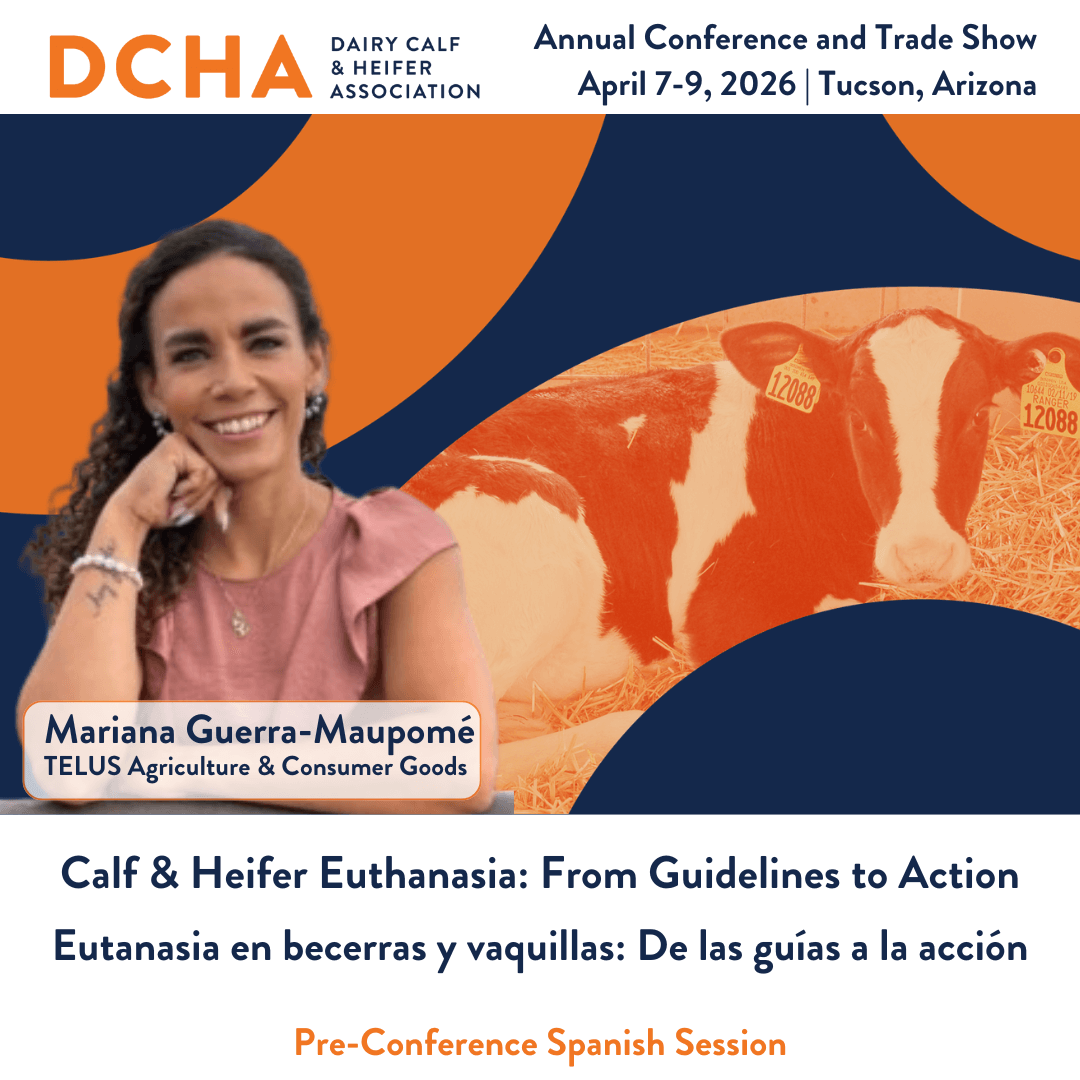
Calf & Heifer Euthanasia: From Guidelines to Action
Eutanasia en becerras y vaquillas: De las guías a la acción
MarianaGuerra-Maupomé, TELUS Agriculture & Consumer Goods
Most euthanasia challenges aren’t due to a lack of standards; they’re execution problems: recognizing when recovery is unlikely, making the decision early, and carrying out the process correctly every time. This presentation focuses on the decision-to-action gap and how to close it with practical, on-farm systems. Attendees will learn how to build a euthanasia workflow that is timely, consistent, and verifiable—using clear decision triggers, escalation rules, competency expectations, and documentation required by auditing parties. The session will also address how to prevent prolonged suffering while supporting staff confidence and reducing moral stress.
La mayoría de los desafíos relacionados con la eutanasia no se deben a la falta de estándares; son problemas de ejecución: reconocer cuándo es poco probable que haya recuperación, tomar la decisión a tiempo y realizar el procedimiento correctamente en cada ocasión. Esta presentación se centra en la brecha entre la decisión y la acción y en cómo cerrarla mediante sistemas prácticos. Los asistentes aprenderán a diseñar un flujo de trabajo de eutanasia que sea oportuno, consistente y verificable, utilizando criterios claros de decisión, reglas de escalamiento, expectativas de competencia y documentación conforme a los sistemas de auditoría. También se abordará cómo prevenir el sufrimiento prolongado, fortaleciendo la confianza del personal y reduciendo el estrés moral.
Pre-Conference Sessions
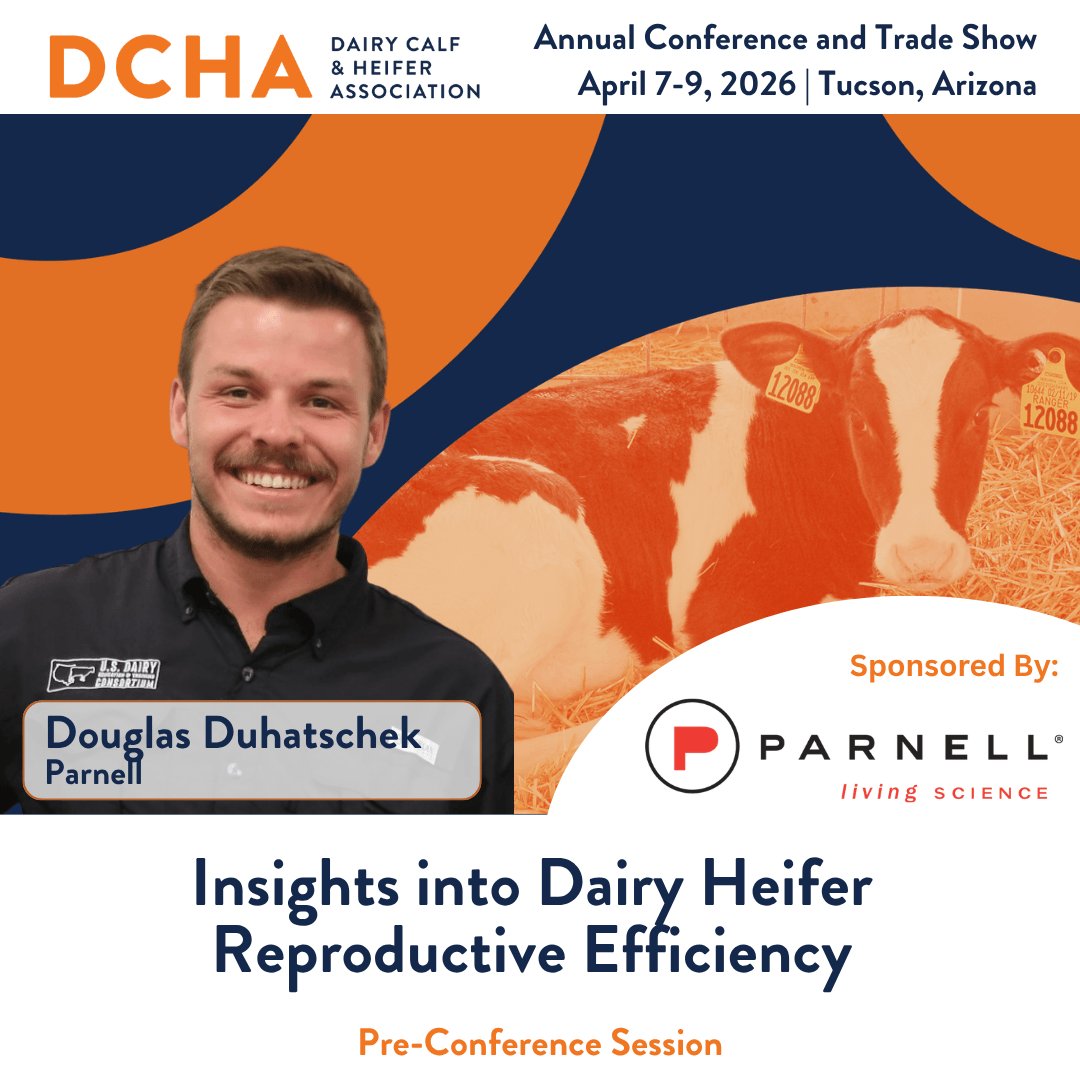
Insights into Dairy Heifer Reproductive Efficiency
Douglas Duhatschek, Parnell
Heifers are often overlooked in reproductive programs, yet their management directly influences the long-term productivity and efficiency of the entire dairy herd. Discuss reproductive management strategies for dairy heifers, how synchronization protocols can improve fertility and profitability, and the economic value of reducing days on feed.
Sponsored by
The Power of pH: Leveraging Environmental Chemistry for Calf Performance
Randy Robbins, Jones-Hamilton Co.
Calf health is shaped not only by nutrition and management protocols, but by environmental chemistry. This session explores how pH influences key environmental stressors including pathogen proliferation, ammonia formation and fly development. By understanding the predictable chemical relationship between pH and biological response, dairy managers can reduce environmental pressure and improve respiratory health, immune resilience and growth performance. Attendees will see how pH management becomes a practical, measurable tool for improving calf outcomes.
Sponsored by
Understanding Coccidia Management in Cattle
Jeffery Hall, Huvepharma
Coccidiosis is a very commonly encountered disease in the cattle industry. It can cause significant production losses associated with increased disease, treatment costs, lost production, and death losses. The scope of this presentation will address the life cycle of the organisms, clinical vs. sub-clinical disease, differences among therapies, and overall impacts on animal health. Material will also be presented that clarifies the differences among therapeutics in terms of true treatment vs. prevention vs. control.
Sponsored by
Mitigating the Negative Effects of Stress in Dairy Calves
Raphael Saraiva, FERA Diagnostics and Biologicals
This course covers the negative effects of common stressors on dairy calves and their economic implications, It then dives into the role of pheromones, particularly maternal bovine appeasing substance in decreasing the stress response and covers data demonstrating the results of using FerAppease at various stress points.
Sponsored by
Improving Calf Health: What the Data Shows and How New Traits Can Be Used
Robert Fourdraine, DRMS; Katie Schmitt, DRMS
Dairy producers and heifer raisers are facing growing pressure to maximize the value of every calf while managing disease risk and tighter replacement supplies. This presentation connects on-farm trends—such as increased beef-on-dairy breeding, age at first calving, and calf losses—with the real financial impact of respiratory disease and diarrhea events. We will introduce new genetic tools that lead to more resilient and healthier calves for the US evaluation system. Attendees will leave with clear guidance on how accurate calf data leads to improved management, how submitting data through herd management software supports healthier calves and stronger future herds and where to find these new evaluations.
Sponsored by
Dairy Calf and Heifer Rearing — New Stuff, Old Stuff and What’s on Your Mind
David Prentice, Elanco Animal Health
This presentation will explore some of what is new and might be important in dairy calf heifer rearing as well as revisiting some old topics that are important but often forgotten about.
Sponsored by
General Sessions
Workforce Development, Certification and Auditing – Why it Matters
Josh White, National Cattlemen’s Beef Association
Kaitlyn Briggs, fairlife
Rodolfo Nava, NM NewCan Cattle, LP
More is being asked of beef and dairy companies, cattle caretakers and farm management every day. Speakers representing several cattle raising sectors, backgrounds, and experiences will help attendees explore:
– Why there continue to be increased demands,
– What those demands look like with a new audit coming in 2026,
– How the industry can be prepared to meet these demands,
– How to turn increasing expectations into a positive for your operations’ work culture.
Training That Sticks: Why Documentation Matters on Today’s Dairy Farm
Michelle Schack, DairyKind
Effective training doesn’t have to be complicated. This session will show how clear plans and simple documentation can make training stick, protect your team and animals, and improve consistency on your dairy. Real-life examples of easy-to-use systems will give you tools to get results every day.
Breakout Sessions – Wet calf/Weaning Track
AI for Dairy Calf Management: What Do We Know and Where are we Headed?
Melissa Cantor, Penn State University
For this presentation, attendees will learn about precision technologies for dairy calf management, including artificial intelligence, interventions, and the limitations of the systems. Participants will learn about sickness behavior and its potential to signal identify deviations in behavioral patterns before calves have clinical diarrhea and bovine respiratory disease. They will also learn about where the future is headed for precision dairy calf management. Included is the potential of machine learning techniques, novel technologies, and intervention strategies for dairy calves in the future.
Sponsored by:
Beyond the Bag: Understanding Trends in Calf Milk Replacer Formulation
Tana Dennis, Actus Nutrition; Bethany Dado-Senn, VitaPlus
This session will discuss the latest in both market and research trends for the primary and specialty components of calf milk replacers (CMR). Emphasis will be on providing a baseline understanding of protein, fat, and carbohydrate-contributing ingredients to better evaluate formulas. The final portion of the session will take a broader approach to discuss what’s next for CMR formulation, including new ingredients that might benefit calf performance or economics.
Sponsored by:
Breakout Sessions – Post-weaned/Reproduction Track
Alternative Forages for Heifers: Balancing Yield, Quality, and Cost
Doug Duhatschek, Parnell
Three takeaways from the session include: balancing the pillars of forage production: yield, quality, and cost, while addressing challenges such as water scarcity, limited land, and high lease prices; Management strategies that drive value: forage and hybrid choice, grain processing, and storage practices that influence digestibility and overall nutritive value; Economics of alternative: comparing cost per unit of nutrient to guide practical decisions on alternative forages.
Sponsored by:

How are We Working to Get to Great? Best Practice Metrics for Growth, Health, and Reproduction
Kevin Miller, Kansas Dairy Development
In this presentation, we’ll examine the key metrics that help us understand where we are today and where we need to go to achieve great outcomes in growth, health, and reproduction. The focus is on practical tools, and the steps we’re taking to move closer to excellence.
Sponsored by:
Breakout Sessions – Beef Cross Track
What Your Mother Never Told You About the 21-Day Cortisol Surge in Cattle
Blaine Ellison, Applied Biotechnologies, Inc
This presentation will give attendees a working knowledge of the genetically based trait known as cortisol surge in cattle. This information will help them understand the metabolism and immune system implications for stressed cattle. They will be able to make informed decisions about treatment protocols for their facilities including vaccine decisions. We will have a functional discussion of BVD PI as it pertains to this industry and its role in antigen fatigue. The 21 day “shot show” post stress seen in inbound calves will be explained. Typical lack of weight gain in the first 3 weeks will be explored. Studies that link behavior patterns to the underlying cortisol levels will be discussed including the ability to selectively breed to modify it. Dairy-on-Beef will be discussed in detail including perceived unique susceptibility to liver abscess and perceived lack of performance post weaning compared to native cattle, and why this animal gets the bad wrap of being less robust as an F1 than purebred Holstein or Angus cattle.
Short and Long-distance Transport of Dairy and Dairy-Beef Cross Calves
Gustavo Schuenemann, Ohio State University
Transporting young dairy and dairy-beef cross calves is a routine but often scrutinized practice in the U.S. dairy industry. Using data from nearly 400,000 calves, this presentation shows that early-life management, rather than transport duration, is the primary driver of calf health, survival, and preweaning performance when fit-for-transport guidelines are followed. This presentation will highlight how late-gestation (last 60 days) nutrition and fetal programming, colostrum management, and neonatal immunity shape calf resilience well beyond the day of transport. Practical insights on animal handling, transport logistics, and preweaning nutrition will be discussed to support both short- and long-distance calf transport. Attendees will leave with actionable strategies to improve late-gestation management, calf fitness-for-transport and long-term outcomes.
Sponsored by:
Panel discussions
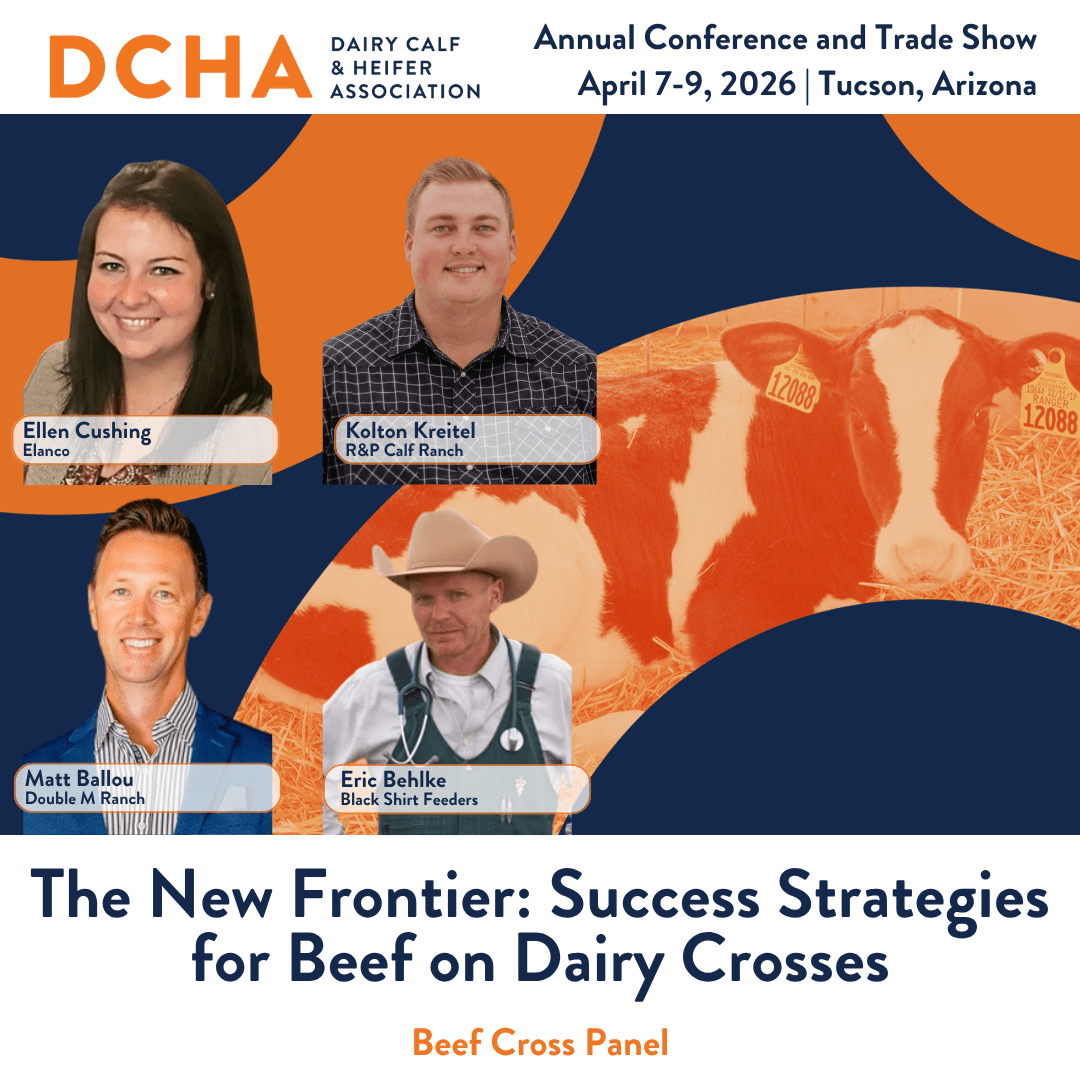
The New Frontier: Success Strategies for Beef on Dairy Crosses
Moderator:
Ellen Cushing, Elanco
Panelists:
Kolton Kreitel, R&P Calf Ranch
Eric Behlke, Black Shirt Feeders
Matt Ballou, Double M Ranch
As the industry shifts, beef-on-dairy crossbreds have become a pivotal “hot topic” for producers looking to add value to their operations. However, success with these animals requires moving beyond standard dairy heifer protocols and returning to the core fundamentals of specialized care. Join our expert panel of three industry leaders for a deep dive into the “Back to the Basics” approach. This session is designed to provide practical, actionable insights into the unique requirements of beef cross animals, ensuring you get the most out of your investment.
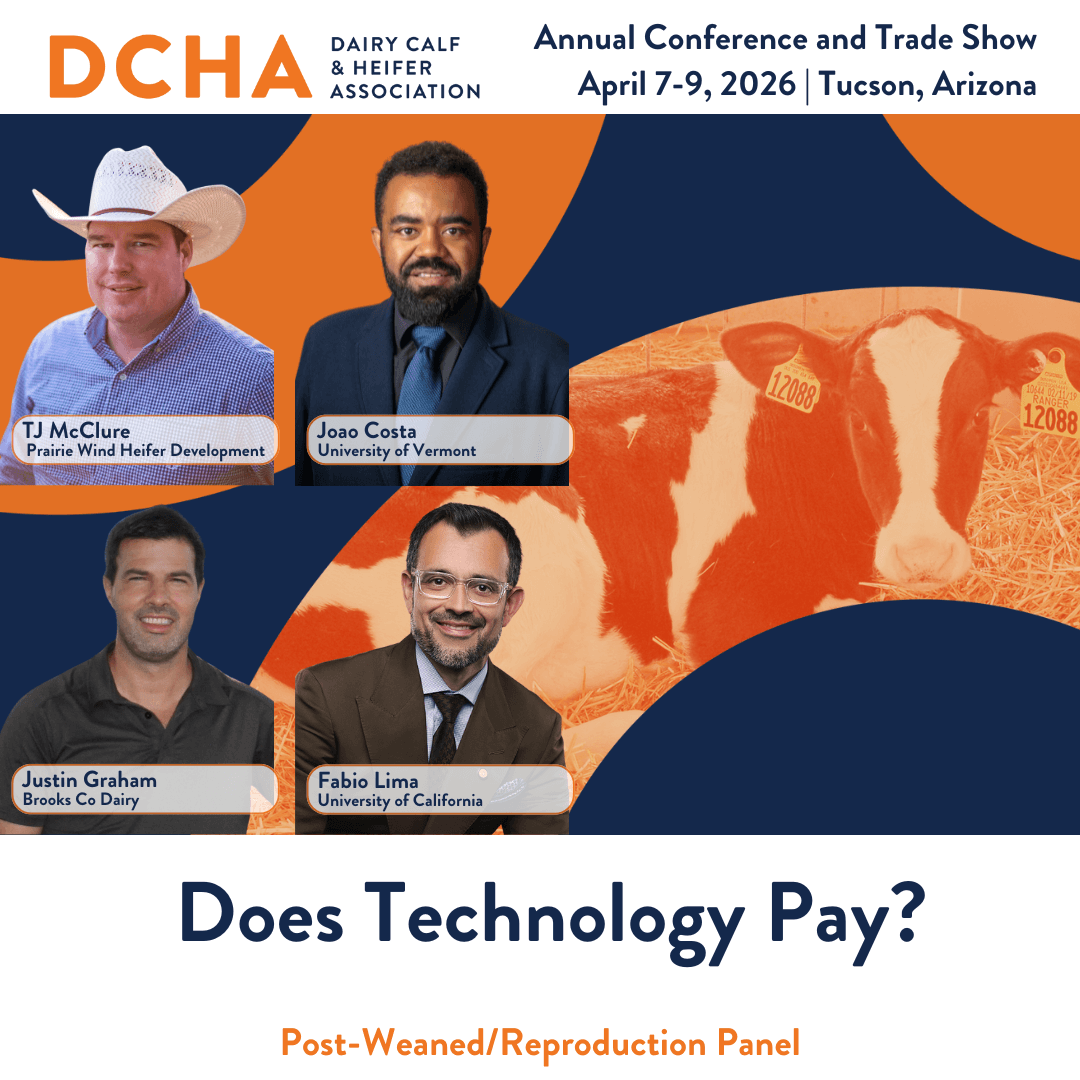
Does Technology Pay?
Moderator:
TJ McClure, Prairie Wind Heifer Development
Panelists:
Justin Graham, Brooks Co Dairy
Joao Costa, Univ of Vermont
Fabio Lima, Univ of California
We will delve into the synergistic use of advanced synchronization strategies and genomic data to optimize heifer replacement programs. This presentation dissects which timed AI protocols offer the best balance between fertility and labor efficiency, and demonstrates how to layer genomic values to identify the most profitable animals early in life. Attendees will gain a decision-making framework for leveraging these tools to decrease days on feed and enhance lifetime value. Ultimately, the goal is to transform heifer management from a cost center into a strategic investment.
Sponsored by:

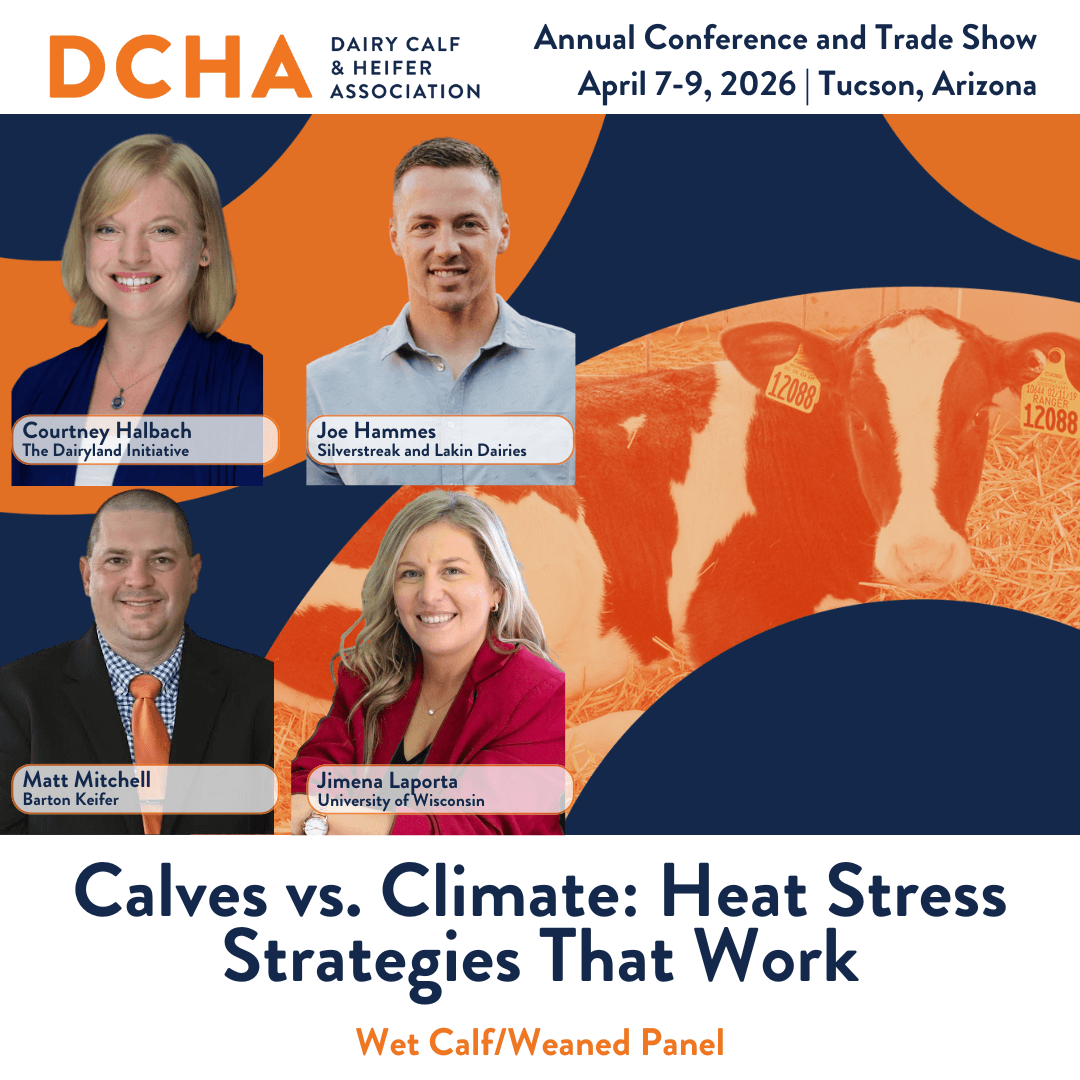
Calves vs. Climate: Heat Stress Strategies That Work
Moderator:
Courtney Halbach, The Dairyland Initiative
Panelists:
Joe Hammes, Silverstreak and Lakin Dairies
Matt Mitchell, Barton Keifer
Jimena Laporta, Univ of Wisconsin
This 50-minute panel will discuss the causes and prevention of heat stress in pre-weaned dairy calves, focusing on practical heat abatement strategies for dairy producers and consultants to implement. Panelists should highlight their roles in mitigating heat stress either through research or management and their visions for heat abatement under rising global temperatures and a changing landscape for dairy calf rearing (i.e., custom raising in differing climates).